
Jack Bogle: The Man Who Made Investing Boring
Meet Jack Bogle, founder of Vanguard and champion of low-cost index funds who helped everyday investors build wealth by staying the course.
ARTICLES
2/14/20265 min read
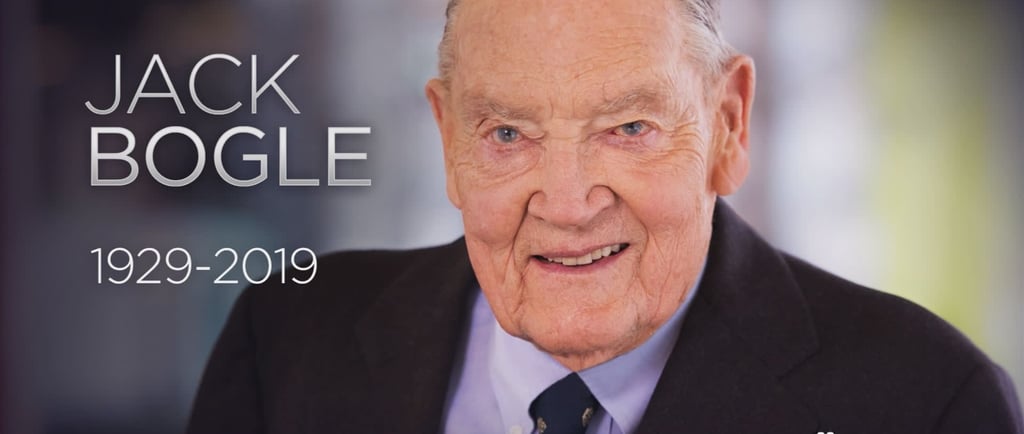
If you’ve ever owned an index fund, paid a tiny fee for it, and then gone back to living your life… you’ve been touched by Jack Bogle’s legacy.
He didn’t invent the stock market. He didn’t predict the next crash. He didn’t “10x” anything on YouTube.
Jack Bogle did something far more radical: he made it possible for regular people to win.
Takeaway: Bogle’s life is a masterclass in a simple idea—investing works best when you keep it low-cost, diversified, and disciplined.
Early Life: A Kid Who Learned the Hard Way
John Clifton “Jack” Bogle was born in 1929 in Montclair, New Jersey—just in time for the Great Depression to shape the world around him.
His family felt the economic pain. That experience left a mark: money mattered, yes—but waste mattered more. The idea that costs and mistakes could quietly wreck a family’s future wasn’t academic to him. It was personal.
Bogle was bright and driven. He attended Blair Academy on scholarship and later went to Princeton, where he studied economics. His senior thesis focused on the mutual fund industry—years before most people knew what a mutual fund even was.
And this is the part where destiny taps the mic: Bogle’s thesis helped him land his first job in investing.
The Rise: Building a Career Inside the System
After Princeton, Bogle joined Wellington Management, a respected investment firm. He rose quickly—sharp mind, relentless energy, and a talent for explaining complicated things in plain English.
Eventually, he became CEO.
So far, a classic business success story.
Then came a defining moment: Wellington merged with another firm in a deal that went badly. Bogle was blamed and ultimately removed from his leadership role.
For most people, that would’ve been the end.
For Bogle, it was the beginning of the thing that made him famous.
The Pivot: Founding Vanguard
In 1974, Bogle founded The Vanguard Group.
Vanguard wasn’t built like the typical Wall Street shop. Bogle designed it so the company would be owned by its mutual fund shareholders—meaning the people investing benefited when costs went down.
That structure wasn’t just clever. It was a moral statement.
Bogle’s core belief:
In investing, you get what you don’t pay for.
Lower fees meant investors kept more of their returns. Over decades, that difference becomes life-changing.
The Big Idea: The First Index Fund for Regular People
In 1976, Vanguard launched the first index mutual fund available to everyday investors—often described as the beginning of index investing as we know it.
Wall Street wasn’t impressed.
The fund was mocked as “un-American” for not trying to beat the market. It was nicknamed “Bogle’s folly.” The initial offering raised far less money than expected.
But Bogle didn’t need applause. He needed math.
His argument was simple:
The market’s return is what investors collectively earn.
After fees and trading costs, investors as a group must underperform the market.
Therefore, minimizing costs is one of the only advantages most investors can reliably control.
In other words, the average active investor can’t beat the average investor.
But the low-cost index investor can beat the average active investor by avoiding the costs.
That’s not “settling.” That’s winning by refusing to play a rigged side game.
The Philosophy: Bogle’s Rules for a Financially Calm Life
Bogle’s legacy isn’t just a product. It’s a mindset—one that keeps people from doing expensive, emotional things.
1) Costs matter more than you think
A 1% fee sounds small until you realize it can eat a huge chunk of your lifetime returns.
Simple example:
You invest $10,000 for 30 years at 7%.
At 7%, you’d end with about $76,000.
If fees knock that down to 6%, you end with about $57,000.
That’s roughly $19,000 gone—not because the market did something scary, but because the fee quietly siphoned your compounding.
Bogle hated that.
2) Diversification is humility in action
Instead of betting on a few winners, Bogle favored owning broad slices of the whole market.
Diversification doesn’t make investing exciting. It makes it survivable.
3) Time in the market beats timing the market
Bogle wasn’t impressed by forecasts. He was impressed by consistency: keep investing, keep costs low, don’t panic, and let compounding do its slow magic.
4) Behavior beats brilliance
Even the best portfolio can be ruined by:
panic-selling in a downturn
chasing hot funds
constant tinkering
Bogle’s ideal investor wasn’t a genius. It was a patient adult with a plan.
5) Stay the course
His most famous encouragement—simple, stubborn, and correct.
When headlines scream and your account balance wobbles, “stay the course” is the difference between long-term wealth and long-term regret.
Impact: The Trillions He Gave Back
It’s hard to overstate Bogle’s influence.
By pushing index funds and relentlessly advocating for lower fees, he helped shift the entire investment industry. Costs fell across the board. Competition increased. More investors gained access to diversified portfolios.
He didn’t just build Vanguard—he forced everyone else to behave better, too.
A lot of people got richer because Jack Bogle made it socially acceptable to be “average” in the best possible way.
The Man Behind the Message
Bogle was also… Bogle.
He was known for being:
blunt about fees (“the tyranny of compounding costs” was basically his villain origin story)
skeptical of Wall Street marketing
passionate about putting investors first
surprisingly warm when talking to everyday savers
He wasn’t perfect, and he wasn’t trying to be a celebrity. He was trying to be useful.
And he was.
Jack Bogle died in 2019, but his ideas live in every low-cost fund, every automated contribution, and every investor who chooses boring discipline over flashy guessing games.
What Bogle Would Want You to Do Today
Here’s the practical “Bogle-approved” checklist—simple enough to stick on a fridge:
Automate your investing (401(k), IRA, brokerage—whatever applies).
Prefer broad, low-cost index funds over expensive, complicated strategies.
Own a diversified mix (stocks + bonds appropriate for your risk tolerance).
Ignore noise (news, predictions, panic cycles).
Stay the course through market drops—the drop is the tuition, the long-term return is the diploma.
Common Mistakes Bogle Warned About
Don’t:
Chase last year’s best-performing fund
Pay high fees for “exclusive” strategies
Trade a lot because you’re bored
Think you can outsmart everyone consistently
Confuse volatility with “something being broken”
Investing isn’t a talent show. It’s a habit.
Wrap: The Quiet Revolution
Jack Bogle’s revolution wasn’t loud. It was practical.
He gave ordinary people a way to build wealth without needing:
insider tips
perfect timing
constant decision-making
Just a plan, a diversified portfolio, low costs, and patience.
The biggest compliment you can pay Jack Bogle is this:
Make your investing so boring you barely notice it—then go live your life.
CTA: Follow/subscribe for more plain-English investing guidance.
Question: What’s one financial habit you want to make more “boring” this year?
Subscribe to our newsletter
Enjoy exclusive special deals available only to our subscribers.